Proof of Delivery: A Complete Guide for Delivery Teams
What proof of delivery is, the types of POD that hold up, and how electronic proof of delivery cuts disputes, chargebacks, and lost-parcel claims.
Proof of delivery (POD) is the evidence that an order reached the right person at the right place. In a dispute, a chargeback, or a "my parcel never arrived" claim, POD is what protects your revenue, and a missing or sloppy record almost always means you eat the cost. Electronic proof of delivery, captured on the driver's phone as a signature, photo, or barcode scan, turns that protection from a paper filing problem into something automatic.
This guide covers what counts as proof, which methods actually hold up, and how to build POD into your delivery flow without slowing drivers down. If failed deliveries are your real pain point, pair this with how to reduce failed deliveries.
What exactly counts as proof of delivery?
At its core, POD answers four questions: what was delivered, where, when, and to whom. A complete record ties an order to a timestamp, a location, and a confirmation event. The strength of that confirmation is where the types differ:
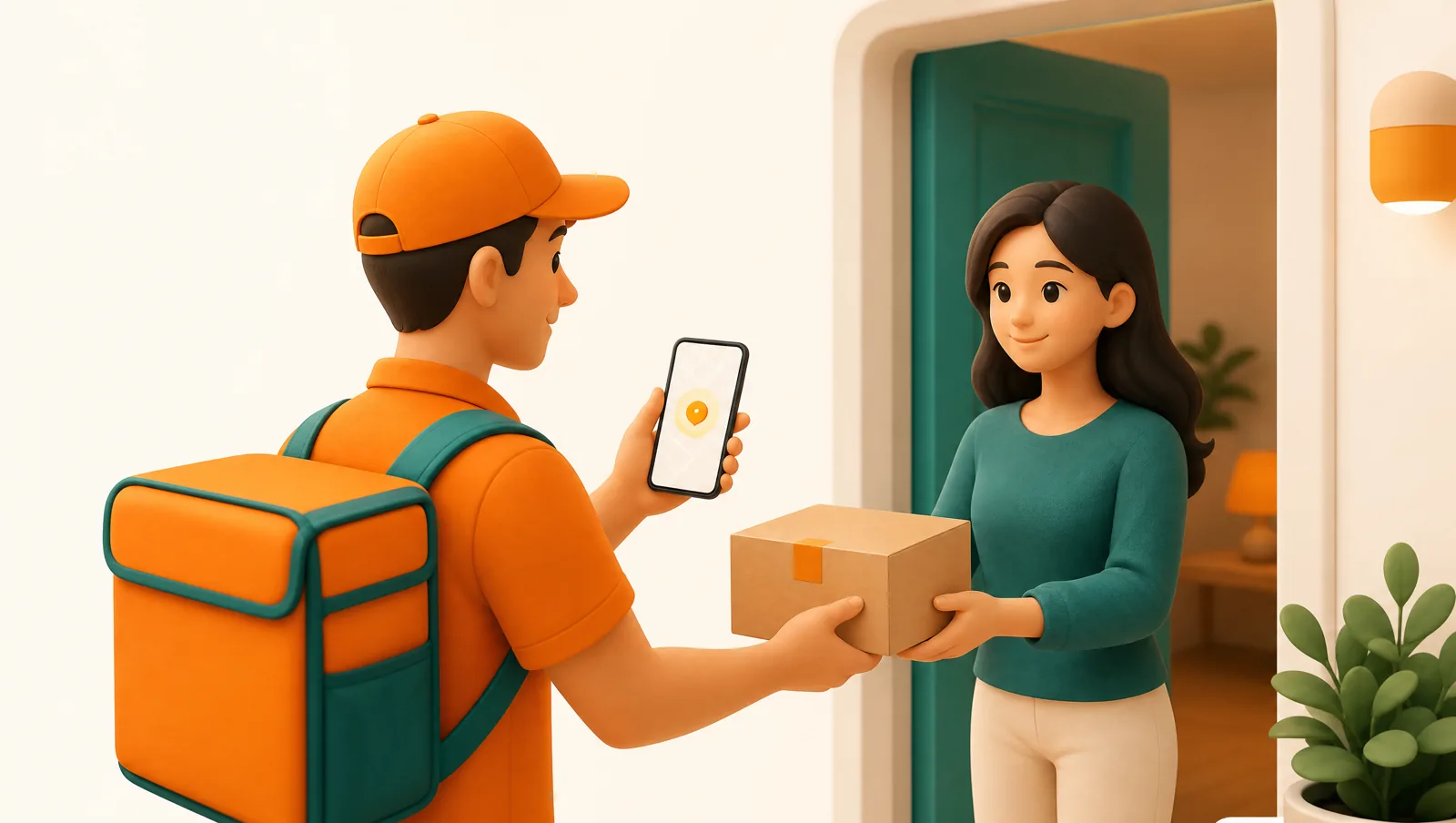
- Signature capture. The recipient signs on the driver's screen. Strongest for high-value or age-restricted goods because it ties a named person to the handoff.
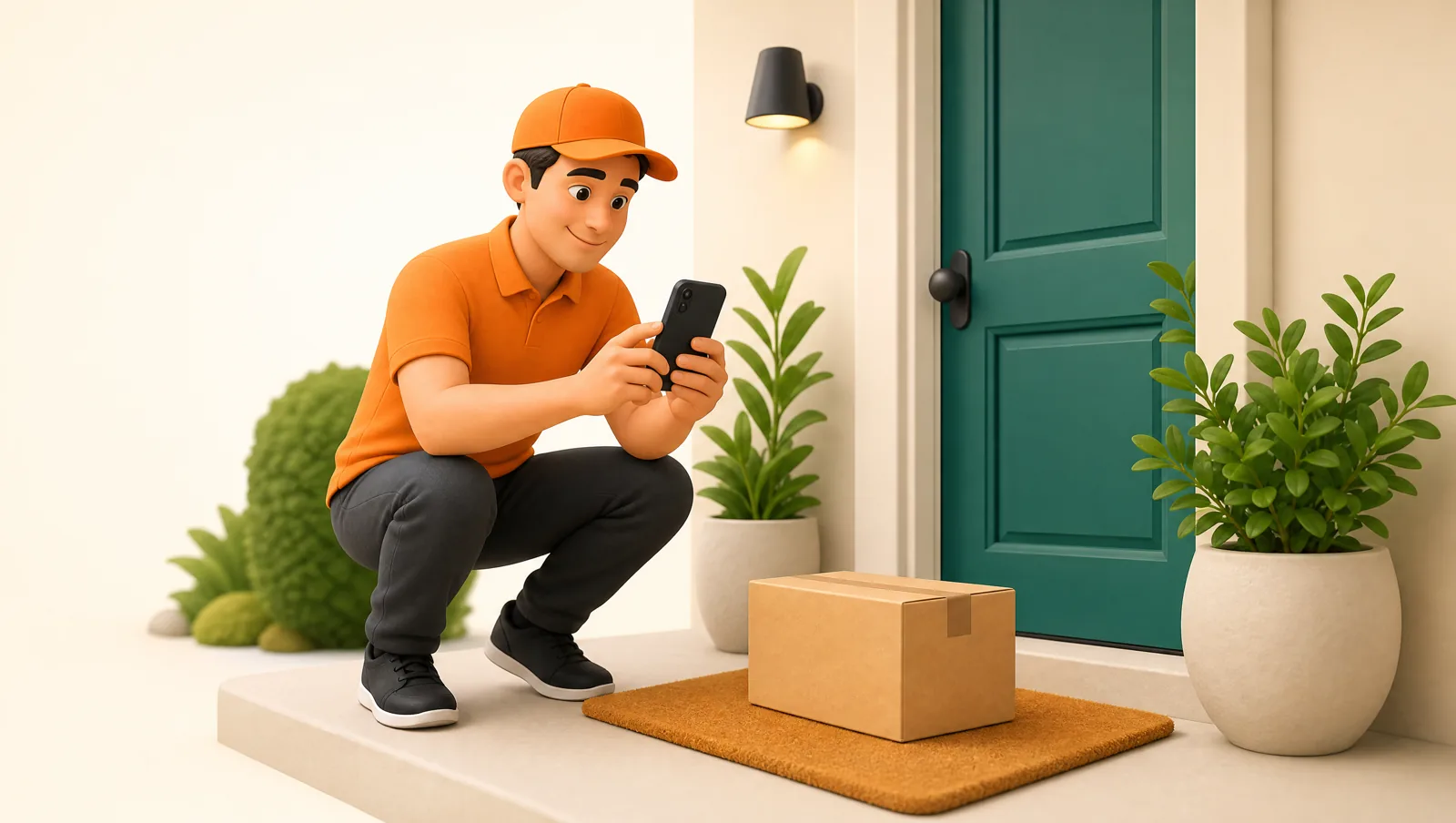
- Photo confirmation. The driver photographs the delivered item in place (on the porch, with the doorman, in the mailroom). The workhorse of contactless delivery.
- Barcode or QR scan. The driver scans the parcel at the door, proving the specific item reached the specific stop, not just that someone was there.
- Geolocation stamp. GPS coordinates captured at the moment of completion confirm the driver was physically at the address.
- Timestamp. The exact completion time, which matters for time-window SLAs and for disputing "it arrived too late" claims.
Why is electronic proof of delivery better than paper?
Paper PODs (the old clipboard and signature sheet) fail in predictable ways: sheets get lost, ink smudges, handwriting is illegible, and reconciling them against orders is a manual evening job. Worse, when a customer disputes a delivery three weeks later, finding that one sheet in a box is its own ordeal.
Electronic POD fixes all of that. The proof is captured at the moment of delivery, attached to the exact order, timestamped and geotagged automatically, and instantly searchable. When a chargeback lands, you pull the record in seconds instead of digging through paper. It also feeds your live tracking so the customer sees the proof too, which heads off many disputes before they start.

How do you capture proof of delivery without slowing drivers down?
The fastest way to kill POD adoption is to make it fiddly. If capturing proof takes 45 seconds per stop, drivers will skip it or rush it. The capture flow has to be fast, obvious, and forgiving of bad conditions:
- Make the proof step part of completing the stop. The driver can't mark a stop done without capturing the required proof, so it never gets forgotten.
- Let the proof type vary by order. Require a signature on the high-value order, a photo on the contactless one. One-size-fits-all rules force unnecessary friction.
- Work offline. Drivers lose signal in basements, parking garages, and rural dead zones. Proof captured offline must queue and sync the moment signal returns, with nothing lost.
- Capture location automatically. Don't ask the driver to do anything; grab GPS in the background at completion.
- Keep photos lightweight. Compress on-device so a full day of photos doesn't choke a weak connection.
Routella's mobile driver app does exactly this: signature, photo, and barcode scan are built into the stop-completion step, location and timestamp attach automatically, and the whole flow keeps working offline and syncs when the driver is back in coverage. That last point matters more than teams expect, because the deliveries most likely to be disputed are often the ones in the worst-signal locations.
What does proof of delivery protect you from?
POD is not bureaucracy; it is a direct defense against specific losses:
- Friendly fraud and false claims. "It never arrived" is the most common false dispute. A geotagged photo at the right address usually ends it.
- Chargebacks. Card networks and platforms want delivery evidence. Clean POD is often the difference between winning and losing a dispute.
- Wrong-address claims. Geolocation proves the driver was at the right place, even when the customer gave a bad address.
- SLA penalty disputes. Timestamps prove on-time delivery against time-window commitments.
- Internal accountability. A clear record removes the "did the driver actually deliver it" ambiguity for COD and high-value orders.
Proof of delivery for cash-on-delivery orders
COD raises the stakes because money changes hands at the door. Here POD should tie together the delivery confirmation and the payment collection: the same completion step that captures the photo or signature should record that cash was collected and how much. That keeps the delivery record and the money record in sync, which is essential at settlement time. Routella links proof of delivery to its COD cash collection and settlement flow, so what the driver delivered and what they collected reconcile cleanly. We go deeper in cash on delivery management.
Setting up a proof-of-delivery policy that sticks
Technology is only half of it. A POD policy that drivers actually follow has a few traits:
- It is specific. Spell out which order types need which proof, so there is no on-the-doorstep guessing.
- It is consistent. The same rule every day builds muscle memory; exceptions erode it.
- It is reviewed. Spot-check captured proof weekly. Drivers who know it is reviewed capture it properly.
- It is fast. If the policy adds real time per stop, simplify it until it doesn't.
Getting started
If you are still on paper or trusting "I dropped it off" with no record, electronic POD is one of the highest-return upgrades a delivery operation can make, because it pays for itself the first time it wins a dispute. You can capture signature, photo, and barcode proof on Routella's free plan with no credit card, then build the policy that fits your goods. Start by requiring photo proof on every stop and a signature on anything high-value, then refine from there.
Frequently asked questions
What is the difference between proof of delivery and a delivery receipt?
A delivery receipt is a document listing what was sent. Proof of delivery is evidence that it actually arrived, typically a signature, photo, barcode scan, timestamp, and GPS location captured at the moment of handoff. POD is what holds up in a dispute.
Is a photo enough as proof of delivery?
A photo is strong for contactless deliveries, especially when paired with an automatic GPS stamp and timestamp showing the driver was at the correct address at the right time. For high-value or age-restricted goods, a recipient signature is the safer standard.
Can drivers capture proof of delivery without internet?
Yes, if the app supports offline capture. Routella's driver app captures signature, photo, and barcode proof offline and syncs it automatically once signal returns, which matters because poor-signal locations are often the ones most likely to be disputed.
Run your own deliveries with Routella
Route optimization, a driver app, proof of delivery, and live customer tracking — in one platform. Free plan, no credit card.