How to Reduce Failed Deliveries and Lift First-Attempt Rate
Failed deliveries cost a redelivery, a refund risk, and a customer. Here are the real causes of missed deliveries and how to lift first-attempt rate.
A failed delivery costs you at least twice: once for the wasted trip and again for the redelivery, plus the customer trust you lose in between. First-attempt delivery rate, the share of orders delivered successfully on the first try, is one of the single most important numbers in any delivery operation because nearly every failed attempt is preventable with better information and better communication.
This guide breaks down why deliveries fail, what each failure actually costs, and the specific levers that lift first-attempt rate. A failed attempt is really just one outcome of a broader category — see what a delivery exception is and how to resolve one before it becomes a failed delivery. It also pairs naturally with our guides on customer delivery notifications and live delivery tracking, which are two of the biggest levers.
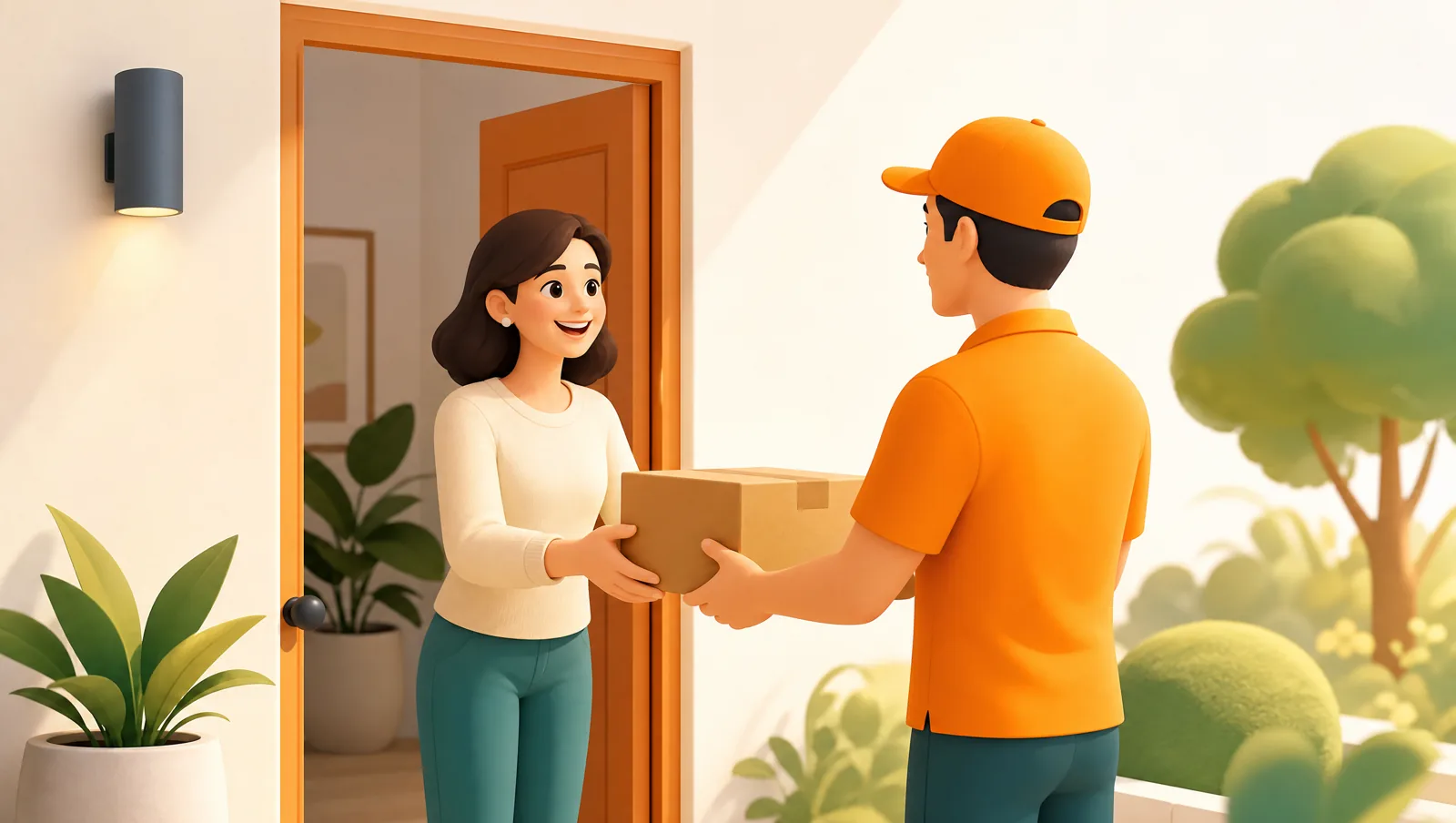
What does a failed delivery really cost?
Teams under-count failed deliveries because they only see the obvious line item. The full cost stacks up fast:
- The redelivery trip. You pay the full cost-per-drop again for the same order, sometimes more if it now needs a special slot — and for furniture and big-and-bulky items that means a second two-person crew and van, which is why a missed appointment there is the most expensive failure of all.
- Lost route efficiency. A failed stop still consumed driving time, fuel, and a slot in the sequence.
- Support load. Failed deliveries generate "where is my order" tickets and angry calls; see how to reduce those tickets.
- Refund and churn risk. After two failures, many customers ask for a refund or simply don't reorder.
- Wasted goods. For perishables, flowers, or temperature-sensitive items, a failed attempt can write off the product entirely.
Why do deliveries fail in the first place?
Almost every failed delivery traces back to one of a handful of root causes. Fix these and the rate climbs:
- Customer not home. The classic. Usually because the customer had no idea when the driver was coming.
- Wrong or incomplete address. Missing apartment number, wrong building, bad geocoding sending the driver to the wrong pin.
- No access. Locked gate, no buzzer code, security desk that needs a name, parking that makes the stop impossible.
- Bad timing. Delivered during a window the customer can't receive (during work, during school run).
- Unclear handoff rules. Driver doesn't know whether to leave it, hand it over, or get a signature.
- Failed payment at the door. For COD, the customer doesn't have the cash ready.
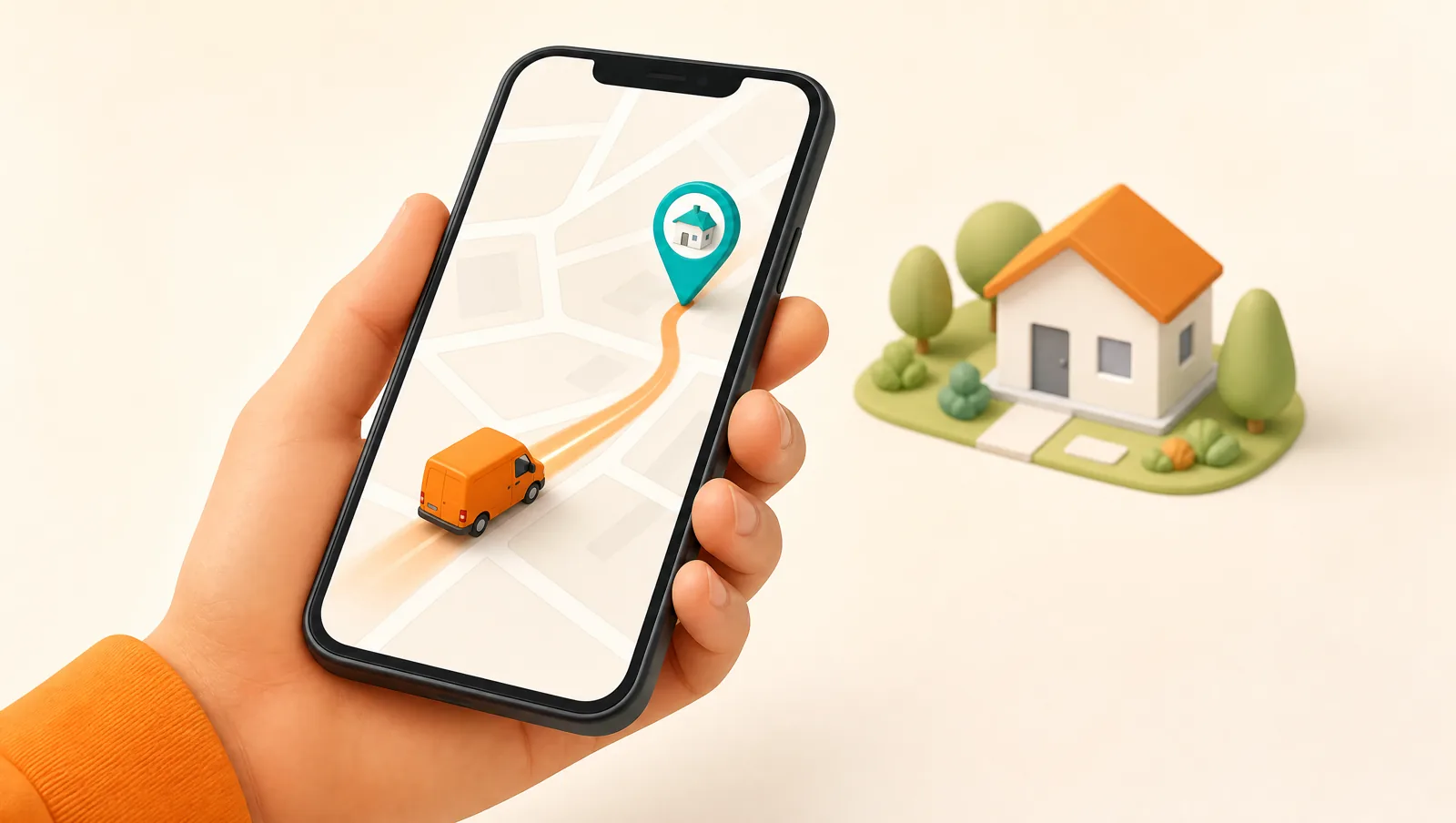
How does proactive communication lift first-attempt rate?
The biggest single cause of failed deliveries, the customer not being home, is also the most fixable, because it is an information problem. When customers know a tight window and get a heads-up as the driver approaches, they make themselves available. The levers, roughly in order of impact:
- An accurate ETA, not a vague day. "Arriving today" fails; "arriving 2:10 to 2:40pm" succeeds because the customer can plan around it.
- An "out for delivery" notification. Sent the morning of, it prompts customers to flag a problem before the driver is at the door.
- An "almost there" alert. A nudge when the driver is a few stops away gets people to the door.
- A reply channel. Let the customer respond with a gate code or "leave with neighbor" before the failed attempt happens.
- A live tracking page. A map with a moving driver and a real-time ETA does more to keep customers available than any other single thing.
Routella sends automated WhatsApp, SMS, and email notifications driven by route events, and gives every customer a live tracking page with a real-time ETA in 195 languages, including right-to-left support for Hebrew, Arabic, Persian, and Urdu. The notifications alone reliably move first-attempt rate because they convert "customer surprised by the doorbell" into "customer waiting for the driver."
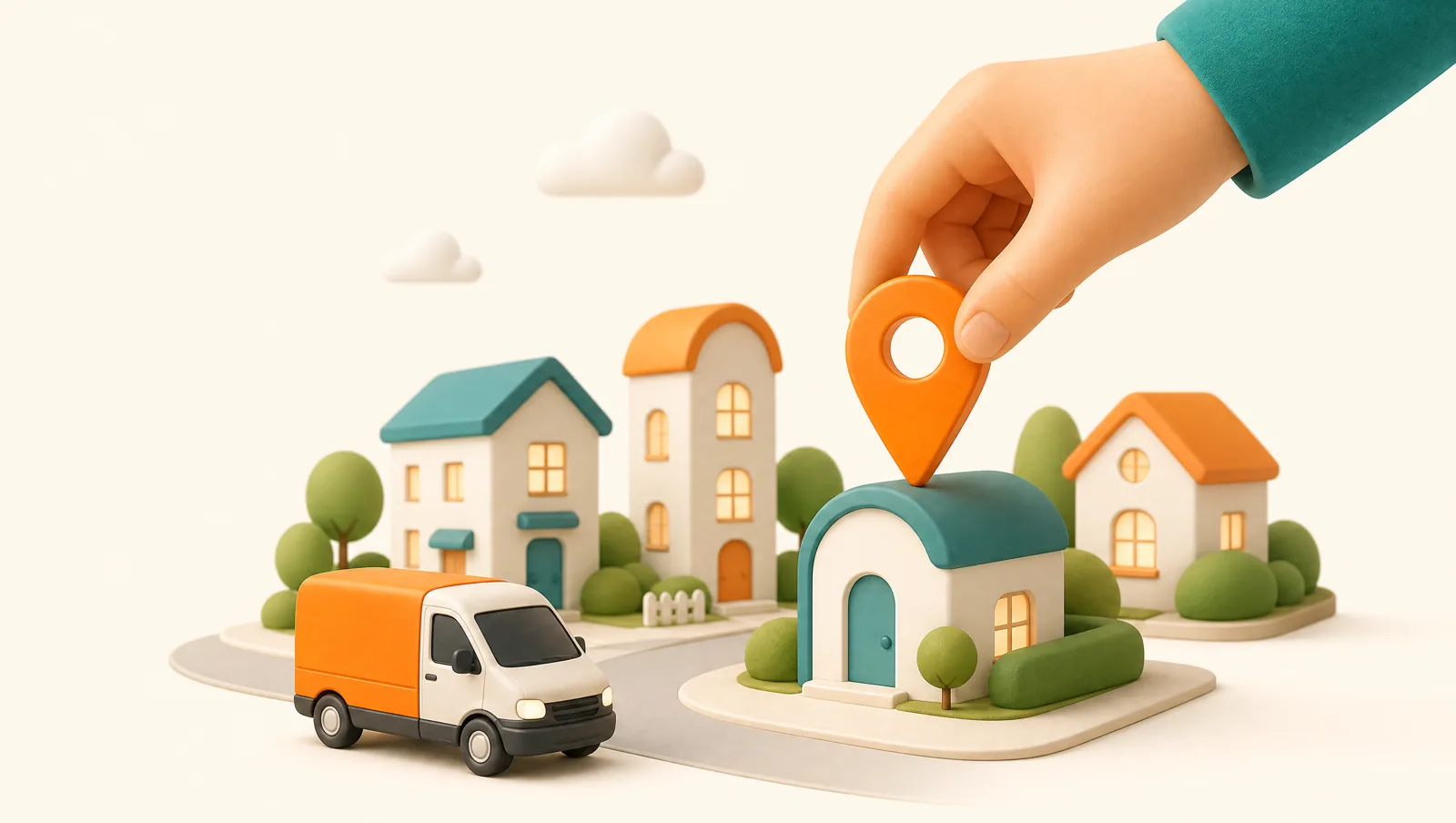
Fixing the address and access problems
Communication handles the "not home" failures. Bad addresses and access issues need a different fix, mostly upstream of the driver:
- Validate and geocode addresses before routing. Catch the bad pin in the dispatcher's chair, not on the driver's windshield.
- Capture delivery notes and reuse them. Gate codes, buzzer numbers, and "leave at side door" should travel with the order and stick to the address for next time.
- Give drivers in-app navigation to the exact pin. Turn-by-turn directions to the corrected location prevent the "I'm on the right street but can't find it" failure.
- Use time windows and priority. Routing perishables and time-sensitive orders into windows the customer can actually receive prevents bad-timing failures.
Routella's driver app includes turn-by-turn navigation that keeps working offline, so a dead zone at the destination doesn't strand the driver. Delivery notes ride along with each stop, and time windows and priority feed directly into the optimized route. For the routing side of timing, see how to optimize multi-stop delivery routes.
What about COD and payment failures?
Cash-on-delivery adds a failure mode pure prepaid orders don't have: the customer doesn't have the money ready. The fix is the same playbook of clear communication, telling the customer the exact amount due in the pre-delivery notification, so the cash is counted out before the driver arrives. Tracking what was collected against what was owed also catches problems early; we cover the full flow in cash on delivery management.
Measuring and improving first-attempt rate over time
You can't improve what you don't measure. Track first-attempt rate weekly and, just as importantly, the reason each delivery failed. A reason code on every failed stop is what turns a vague "we have a delivery problem" into "40 percent of our failures are no-access at one apartment complex, let's get a gate code on file."
- Tag a reason on every failed delivery. Not home, bad address, no access, refused, payment.
- Review the reason mix weekly. The biggest slice tells you which lever to pull.
- Close the loop with notes. Push every learned access detail back onto the address so the next attempt succeeds.
- Watch first-attempt rate by driver and by area. Patterns reveal whether it's a route problem, a communication problem, or a coaching opportunity.
Getting started
The fastest first-attempt rate gains come from two changes you can make this week: give every customer an accurate, tracked ETA, and capture a reason on every failed stop so you can attack the biggest cause. Routella bundles route optimization, a live tracking page, and automated customer notifications, with WhatsApp included on the Pro plan, and you can start on the free plan with no credit card to see your first-attempt rate move before you pay anything.
Frequently asked questions
What is a good first-attempt delivery rate?
It varies by sector and density, but strong local-delivery operations aim well above 90 percent on the first attempt. The exact target matters less than the trend: tag a reason on every failed stop and drive the biggest cause down month over month.
What is the most common cause of failed deliveries?
The customer not being home, which is usually an information problem rather than a logistics one. When customers get an accurate ETA and an out-for-delivery notification, they make themselves available, and this is the single biggest lever on first-attempt rate.
How do customer notifications reduce failed deliveries?
They convert a surprise doorbell into an expected arrival. An accurate ETA, an out-for-delivery alert, and an almost-there nudge get customers to the door, and a reply channel lets them share a gate code or alternate instruction before a wasted trip happens.
Run your own deliveries with Routella
Route optimization, a driver app, proof of delivery, and live customer tracking — in one platform. Free plan, no credit card.