How to Calculate and Cut Your Delivery Cost Per Drop
Learn how to calculate your true cost per delivery, the levers that move it, and the changes that cut last-mile delivery cost without hurting service.
Cost per drop is the total cost of running your deliveries divided by the number of stops completed. It is the single most useful number in last-mile delivery, because it tells you whether running your own drivers is actually cheaper than a marketplace — and which changes are moving the needle. Most businesses either never calculate it or calculate it too narrowly, leaving out real costs and fooling themselves about how efficient they are.
This guide shows how to calculate cost per drop honestly, which levers move it most, and the practical changes that bring it down without hurting service. The headline: the biggest lever is almost always stops per route, because it spreads your fixed costs across more deliveries.
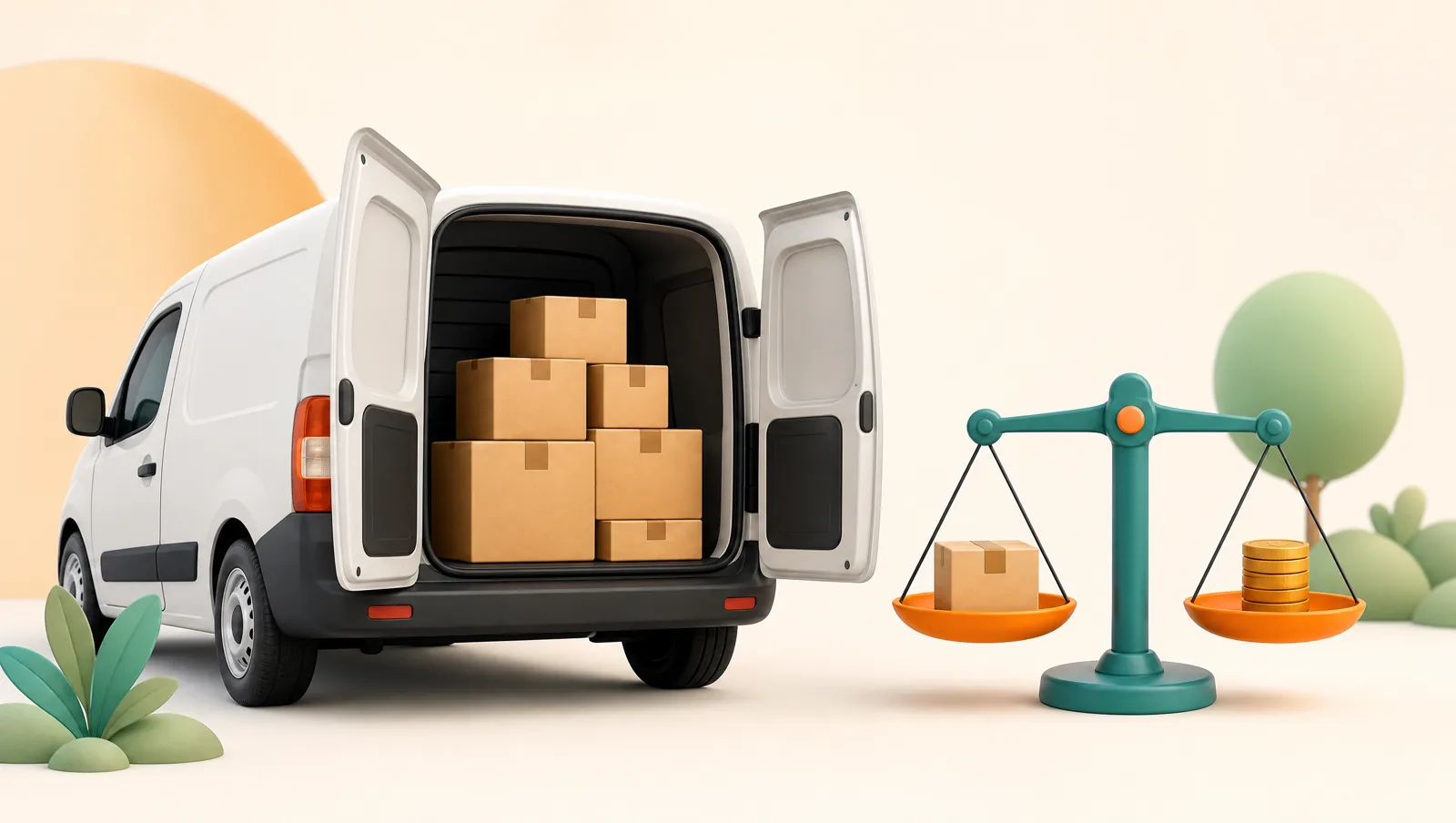
How do you calculate cost per drop?
Add up everything it costs to run deliveries over a period, then divide by the number of successful drops in that period. The cost side has to include more than fuel:
- Driver labor — wages, per-stop pay, or per-route pay, plus any benefits or payroll costs.
- Vehicle costs — fuel, maintenance, insurance, lease or depreciation, mileage stipends.
- Failed deliveries — a failed drop costs you the attempt and the re-attempt, so it is effectively double cost for zero revenue.
- Software and overhead — your dispatch and routing tools, phone, the dispatcher's time.
So cost per drop = (labor + vehicle + failed-delivery cost + overhead) ÷ successful drops. The mistake to avoid is counting only fuel: that number looks great and hides the fact that an idle driver and an empty route are your most expensive deliveries.
Why does cost per drop matter more than total cost?
Total delivery cost goes up as you grow, which can look alarming even when each delivery is getting cheaper. Cost per drop normalizes for volume, so you can see efficiency improving even while you spend more in absolute terms. It is also the number that lets you compare honestly against a marketplace: if a marketplace takes a 20% commission on a $40 order, that is $8 per drop. If your in-house cost per drop is $5, you are winning by $3 every delivery — and you keep the customer relationship.
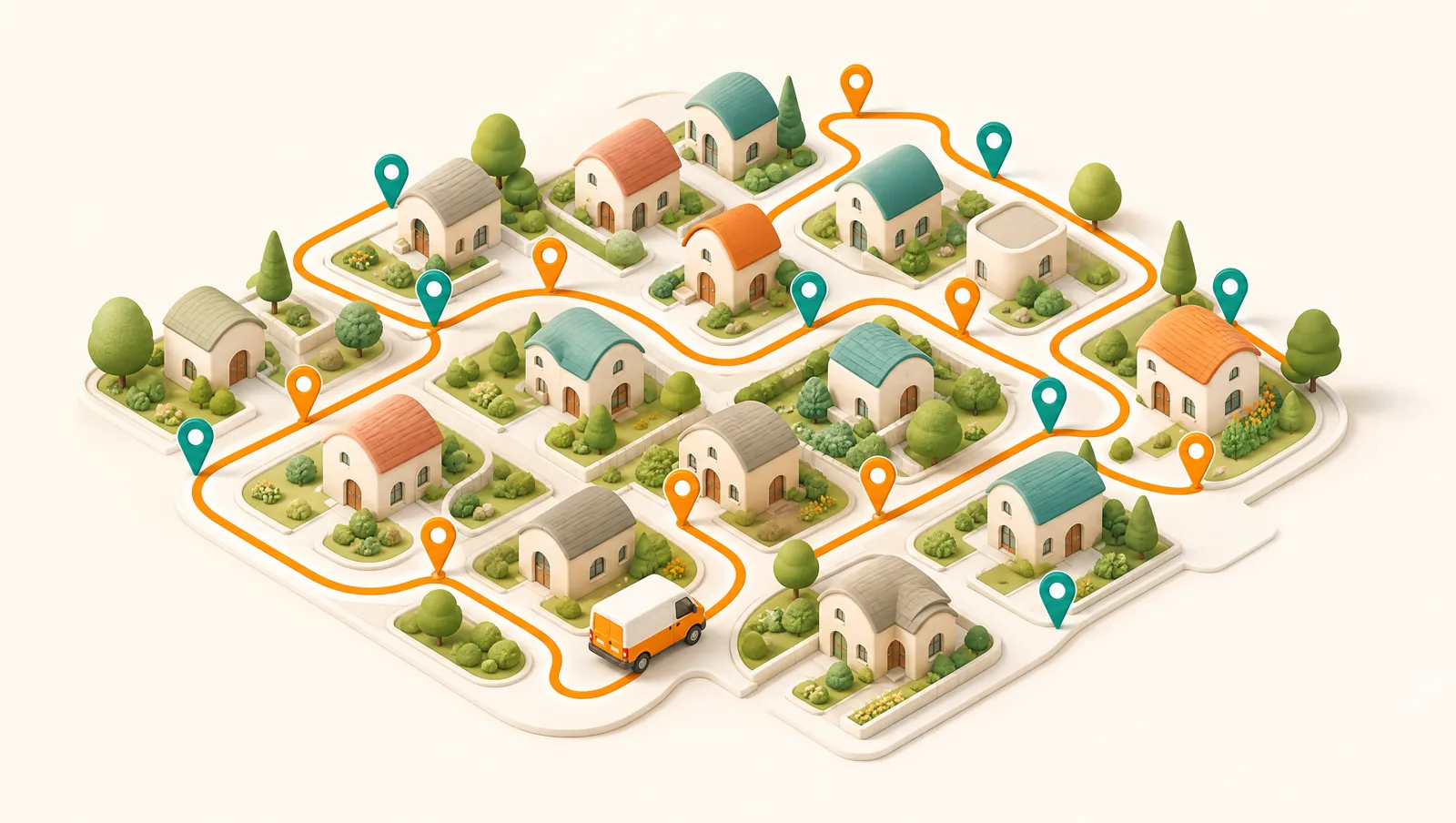
What actually lowers cost per drop?
1. More stops per route
This is the dominant lever. Your driver, vehicle, and dispatch costs are largely fixed per route, so going from 8 stops to 12 stops spreads those fixed costs across 50% more deliveries — and cost per drop falls sharply. The way to add stops without adding driving time is tight multi-stop route optimization. A hand-ordered route leaves time and fuel on the table; software reorders the same stops into a far shorter sequence. The metric behind this lever is route density — stops per mile and per hour — and raising it is the whole game.
2. Fewer failed deliveries
Every failed drop is paid for twice — once for the wasted attempt, once for the redelivery — and earns nothing in between. Cutting your failure rate is one of the fastest cost-per-drop wins available. Most failures come from the customer not being home or not knowing the driver was coming, both of which good delivery notifications and a live ETA fix.
3. Less dispatcher and driver idle time
Time a dispatcher spends hand-planning routes, and time a driver spends waiting for a route or hunting for an address, are pure cost with zero drops. Automating route building and pushing stops to the driver's phone with turn-by-turn navigation removes most of this dead time.
4. Right-sizing vehicles and zones
Running a big van for small parcels burns fuel you do not need; sending one driver across the whole city instead of working tight delivery zones inflates mileage per drop. Matching vehicles to load and keeping routes geographically tight both pull cost per drop down.
What about Smart Routing and traffic?
Basic optimization sequences stops by distance. Routella's Smart Routing add-on goes further: for a flat $5/month (250 stops included on Growth, 1,000 on Pro) it uses live traffic and delivery time windows (via the Google Routes API) to build routes around real conditions, not just a map. Whether that pays off is a simple cost-per-drop question — if accounting for traffic lets a driver fit one more stop per route or shave 20 minutes of crawl, the flat monthly cost is trivially worth it. For sparse rural routes where traffic barely matters, basic optimization is usually enough.
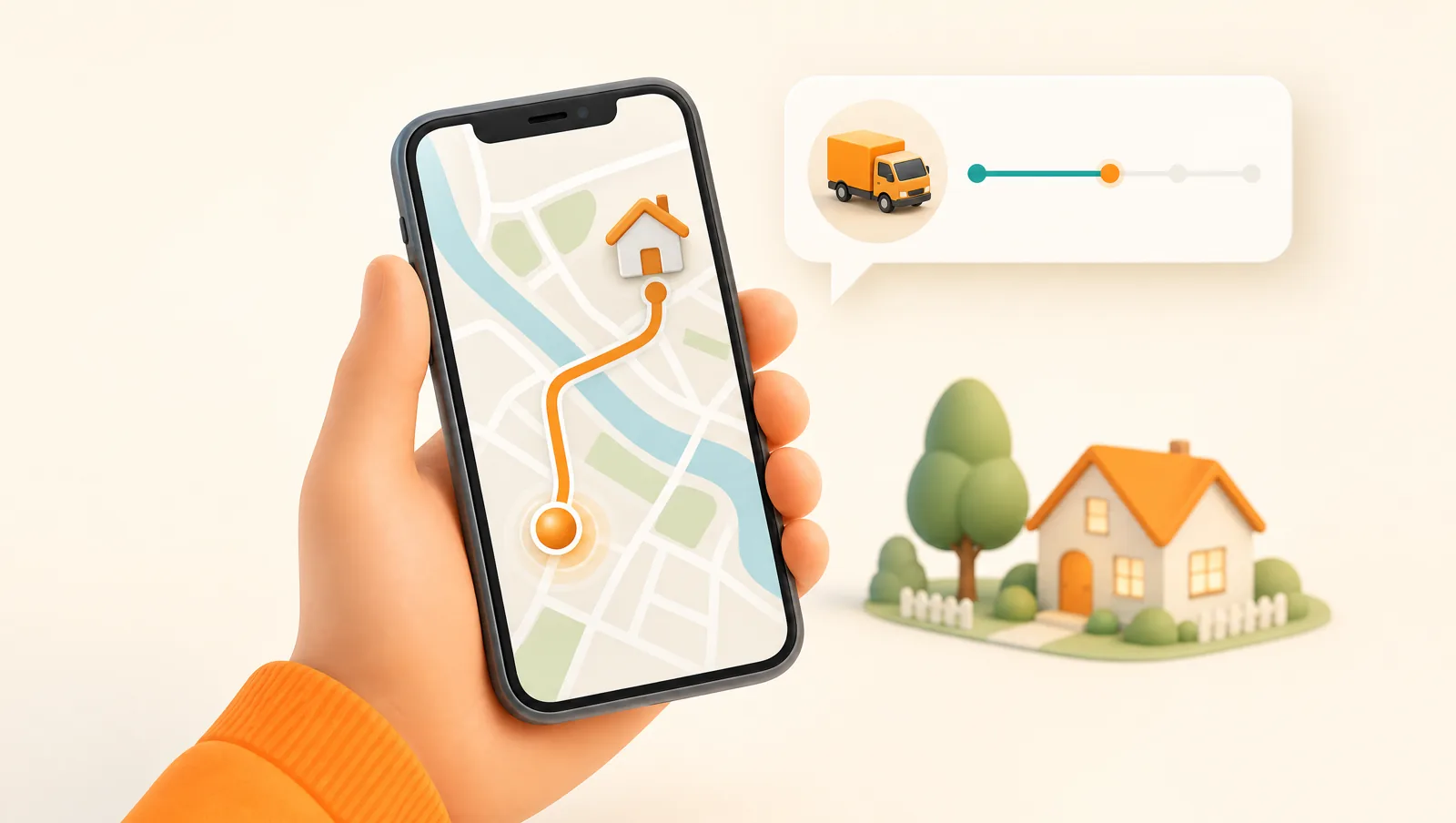
How do you start tracking cost per drop?
You do not need a finance team — you need consistent inputs. Track completed drops per period (your delivery software already counts these), keep a running tally of labor and vehicle cost, and divide. Routella's analytics give you completed-stop counts per driver and per route, which is the denominator most businesses are missing. The cost side you maintain in a simple sheet to start.
Once you can see the number, the improvements suggest themselves: routes with too few stops, drivers with high failure rates, zones that are too spread out. If you are weighing whether in-house delivery beats a marketplace at all, cost per drop is the proof — and you can start measuring it on Routella's free plan before spending anything. For the bigger picture of running deliveries yourself, see delivery management software.
What are the most common cost-per-drop mistakes?
Even businesses that track the number get it wrong in predictable ways. Watch for these:
- Counting only fuel. Fuel is a small slice. Leaving out labor, vehicle depreciation, and failed-delivery cost produces a number that looks great and means nothing.
- Dividing by attempted, not successful, drops. This hides your failure rate inside a flattering average.
- Ignoring idle time. A driver waiting for a route is cost with zero output, but it rarely shows up in a fuel-only view.
- Optimizing the wrong lever. Squeezing fuel pennies while running half-empty routes is effort spent on the small lever instead of the big one.
- Never comparing to the alternative. Cost per drop only means something next to what a marketplace would have charged for the same order.
Get the inputs honest and the comparison clear, and cost per drop stops being an accounting chore and becomes the dashboard light that tells you when your delivery operation is actually healthy.
Frequently asked questions
What is a good delivery cost per drop?
There is no universal number because it depends on your wages, vehicle costs, and stop density. The useful comparison is against your alternative: if a marketplace takes 20% of a $40 order, that is $8 per drop. If your in-house cost per drop is meaningfully below that, in-house delivery is winning. Track your own number over time and aim to drive it down.
What lowers cost per drop the most?
Stops per route, by a wide margin. Driver and vehicle costs are largely fixed per route, so fitting more deliveries into each route spreads those costs across more drops. Tight route optimization is how you add stops without adding driving time. Reducing failed deliveries is the next biggest lever, since every failure is paid for twice.
Should I count failed deliveries when calculating cost per drop?
Divide only by successful drops, but include the cost of failed attempts in the numerator. A failed delivery costs you the attempt plus the redelivery and earns nothing, so it raises your true cost per drop. Counting failed attempts as completed drops would flatter the number and hide one of your biggest sources of waste.
Run your own deliveries with Routella
Route optimization, a driver app, proof of delivery, and live customer tracking — in one platform. Free plan, no credit card.