Restaurant Delivery Without Marketplace Commissions
Run restaurant delivery with your own drivers and keep the 15–30% that marketplaces take. Routing, live ETAs, and proof of delivery for hot, on-time food.
Food-delivery marketplaces are convenient and brutally expensive. They commonly take 15–30% of every order, hide the customer's contact details from you, and decide for themselves how your food reaches the door. For a restaurant doing steady local volume, running your own drivers usually costs less per order, protects the food's quality, and gives you back the customer relationship. The catch has always been the operations — and that is exactly what delivery software like Routella handles.
Routella is dispatch and route-planning software for restaurants that deliver with their own drivers. It is not a courier marketplace and does not supply riders. It takes the orders you already get, batches them into efficient routes, runs the driver's phone, and keeps the customer informed — so in-house delivery is manageable instead of chaotic.
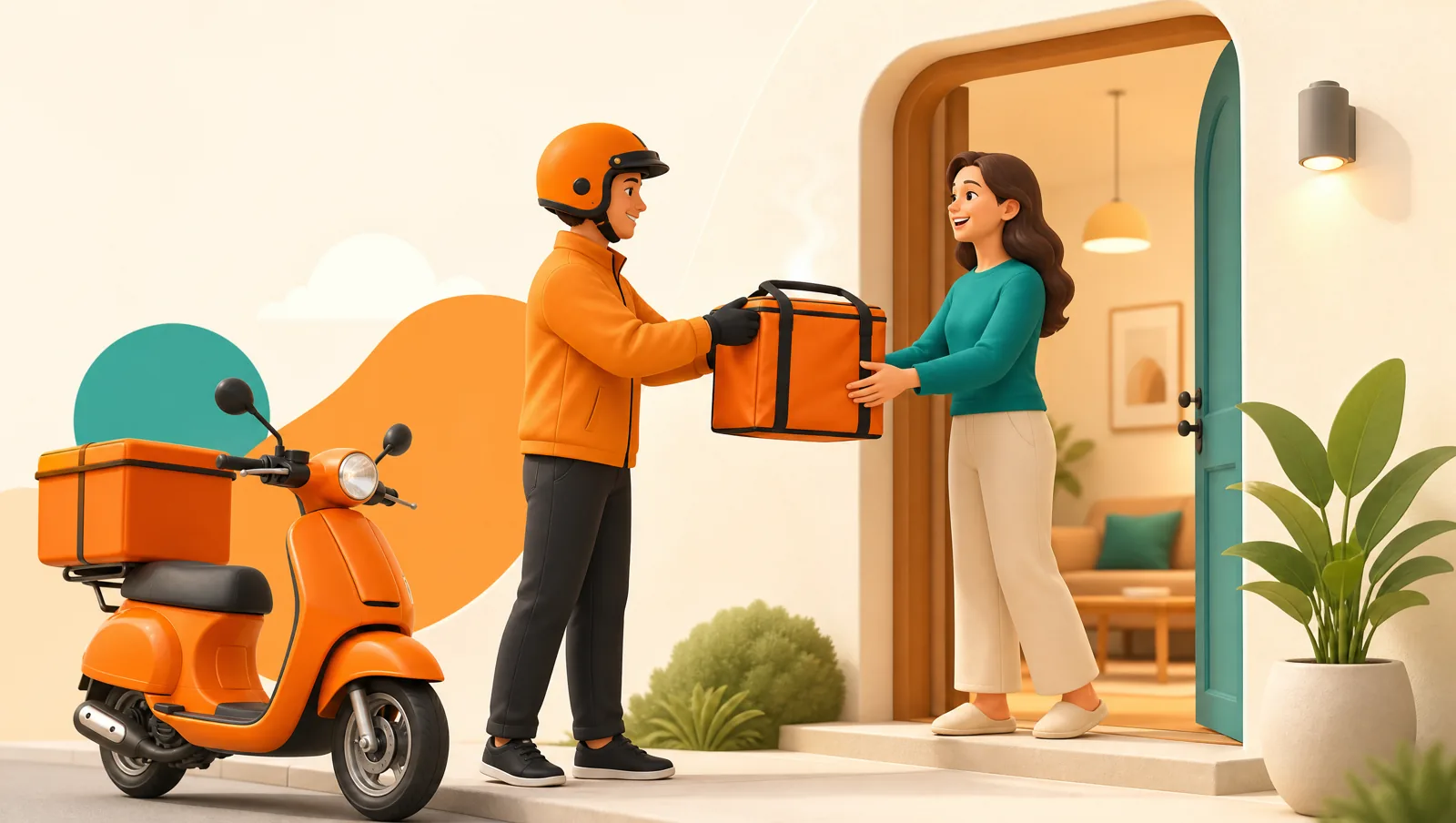
How much do delivery marketplaces actually cost?
On top of the headline 15–30% commission per order, marketplaces typically own the customer data, control your menu pricing pressure, and can suspend you at will. The hidden cost is strategic: every delivery you do through them builds their customer relationship, not yours. A repeat customer who orders through the app is the marketplace's customer, even though you cooked the food. Running your own delivery flips that — the order, the data, and the loyalty stay with you.
Is in-house restaurant delivery worth the hassle?
It is worth it when you have enough local order density to keep a driver busy and when food quality is part of your brand. It is a poor fit when orders are sparse and scattered across a huge area. The deciding factor is usually density: a pizzeria with a 3-mile radius and a steady dinner rush is an ideal candidate, because several orders cluster into one tight loop. For the full decision framework, read how to run your own restaurant delivery.
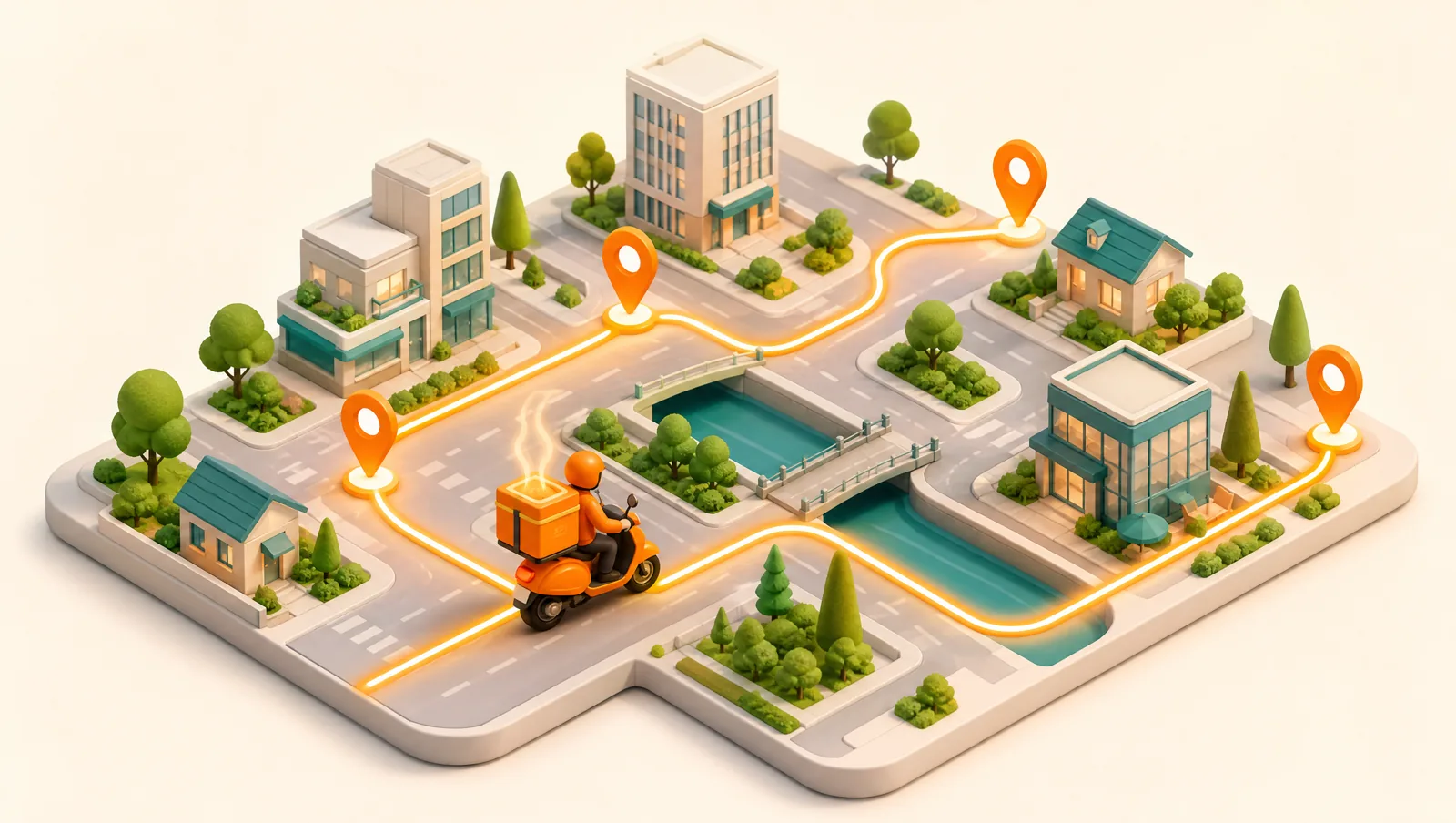
How do you keep food hot on a multi-stop route?
Hot food is a routing problem. Every extra minute in the bag costs quality, so the route order matters more for restaurants than almost any other business. Routella optimizes each round into the shortest, fastest sequence, and the optional Smart Routing add-on factors live traffic so the driver is not sent down a jammed road. You can also set time windows when a customer asks for a specific arrival. The practical rule: keep batches small at peak so the last order in a run is not the one that arrives cold. See optimizing multi-stop routes for the technique.
For the speed playbook overall, same-day local delivery covers turnaround targets. And if you also cater — timed drop-offs for events and offices — that is a different clock entirely; our catering delivery software guide covers planning backward from each service time instead of racing the doorbell.
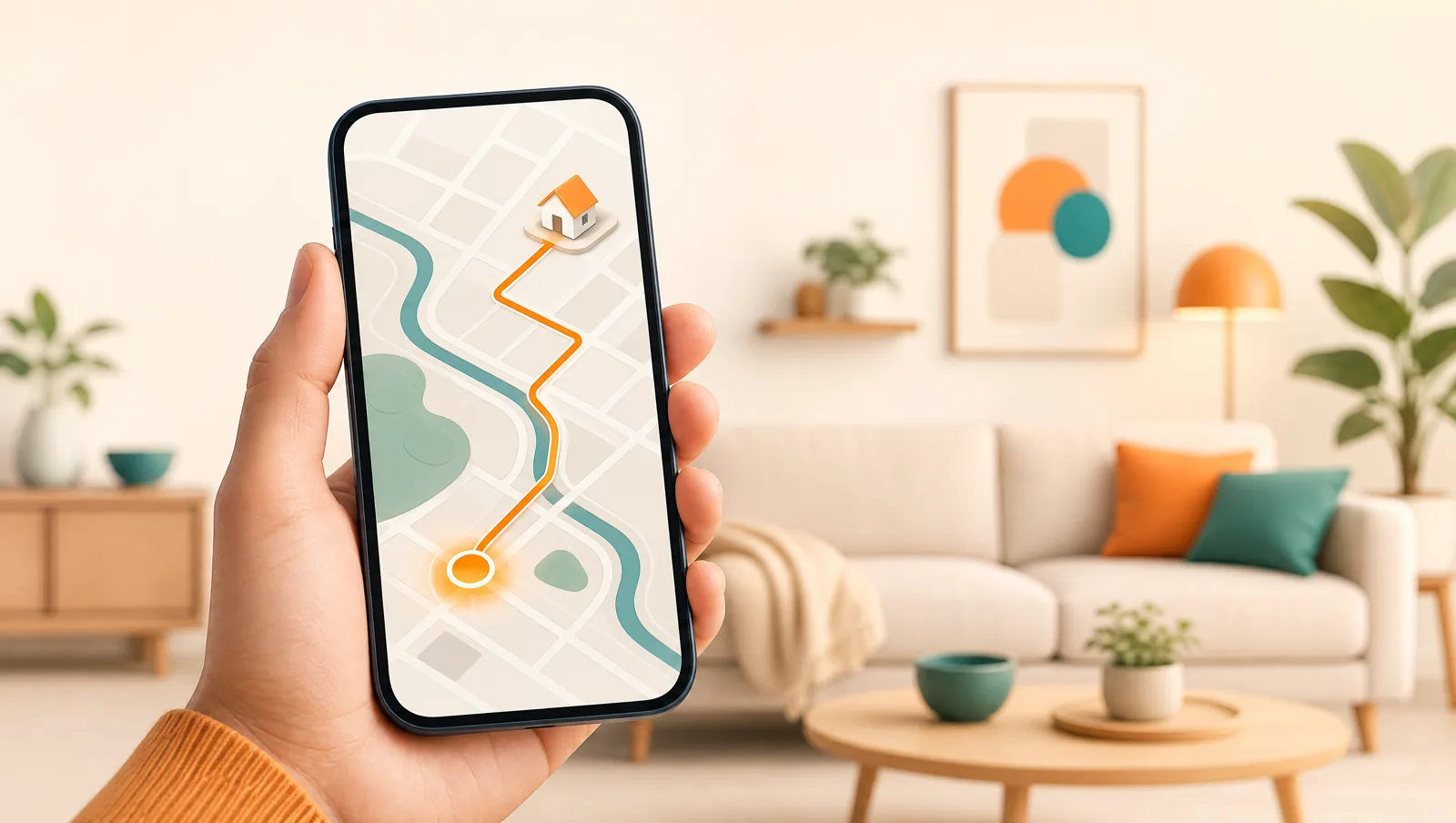
How do customers track their food?
Marketplaces win on the "where's my food?" experience, and you can match it. Routella sends an automatic "out for delivery" message with a live tracking link showing the driver's real-time location and ETA over WhatsApp, SMS, or email. The tracking page works in 195 languages with right-to-left support. A customer who can see the driver two streets away does not call the restaurant — which keeps your phone line open during the rush. Our guide to live delivery tracking and ETAs goes deeper, and reducing "where is my order?" tickets covers the support savings.
How do you handle cash and disputes?
Plenty of restaurant delivery is still cash on delivery. Routella tracks COD collection and settlement per driver, so you know exactly what each driver took in and what they owe back at the end of a shift — see cash-on-delivery management. For disputes like "the order never arrived," drivers capture proof of delivery — a photo or signature — at the door, timestamped to the order. That photo settles most arguments before they become chargebacks.
How do orders get into the system?
If you take online orders, connect your store and they import automatically — Routella supports Shopify, WooCommerce, Wix, Squarespace, BigCommerce and more, plus a custom API for bespoke ordering pages. Phone orders can be typed in by hand. Either way every order lands in one dispatch board, ready to batch into routes. Fulfillment status writes back to the store automatically when a delivery is complete.
What does it cost compared to commissions?
Start on the free plan — 1 driver, 50 orders a month, 5 rounds a month, no card — and run real deliveries before paying. Growth is $29/month for 5 drivers and 1,000 orders; Pro is $79/month for unlimited drivers and orders with WhatsApp messaging included. Compare a flat $29–79/month against giving away 15–30% of every single order, and for a busy kitchen the software pays for itself in a day or two of orders. To model your own numbers, see delivery cost per drop.
What should a restaurant do first?
- Connect your online ordering (or set up manual entry) so orders land in one board.
- Set a sensible delivery radius and keep peak batches small to protect food quality.
- Turn on optimized routing so drivers take the fastest sequence.
- Enable the live tracking link so customers stop calling during the rush.
- Switch on COD tracking and photo proof of delivery.
Do that and you keep the margin, the data, and the relationship that marketplaces would otherwise take — while delivering food that is hotter and more reliable than a stranger on a bike.
How do you win customers away from the marketplace app?
Owning delivery is only half the move; the other half is convincing your regulars to order direct. The lever is the experience. When a customer orders from your own site and gets a clean confirmation, a live tracking link, and food that arrives hot from your own driver, the marketplace's only remaining advantage is habit. You break that habit with small nudges: a flyer in the bag pointing to your direct-order page, a small loyalty perk for ordering direct, and the simple fact that direct prices can be lower because you are not padding them to cover a 30% cut.
Because Routella writes fulfillment status back to your store automatically, your own ordering site behaves as smoothly as the app the customer is used to — the order is marked delivered, the customer gets their confirmation, and the loop closes without anyone touching a spreadsheet. Over a few months, a steady stream of regulars moving to direct ordering quietly rebuilds the margin the marketplace was taking, and the analytics view shows you exactly how that channel is growing.
Frequently asked questions
Does Routella give restaurants delivery drivers?
No. Routella is software for restaurants that deliver with their own drivers. It plans routes, runs the driver app, tracks cash on delivery, captures proof of delivery, and sends customer tracking links — but it does not supply riders or couriers.
How does running my own delivery save money versus a marketplace?
Marketplaces typically take 15–30% of every order. Routella charges a flat monthly fee — free to start, then $29 or $79 a month — regardless of order count. For a restaurant with steady local volume, the flat fee is far less than handing over a slice of every order, and you keep the customer relationship too.
Can customers track their food the way a marketplace shows it?
Yes. Routella sends an out-for-delivery message with a live tracking link showing the driver's real-time location and ETA, in 195 languages. Customers can watch the driver approach, which cuts calls to the restaurant during the dinner rush.
Run your own deliveries with Routella
Route optimization, a driver app, proof of delivery, and live customer tracking — in one platform. Free plan, no credit card.