Routella vs EasyRoutes: Which Delivery App?
A fair comparison of Routella and EasyRoutes for businesses delivering with their own drivers: routing, driver app, proof of delivery, and platforms.
If you deliver orders with your own drivers, the core question is not which app has the prettiest map — it is which one covers your whole delivery day end to end. EasyRoutes is widely known as a Shopify-focused route planning app, strong for store owners who live inside Shopify. Routella is an all-in-one delivery dispatch platform: route optimization, a driver app, proof of delivery, live customer tracking, and automated WhatsApp, SMS, and email messages, working across 32 store and ERP platforms rather than one. This guide lays out exactly what to compare so you can pick the right one for how you actually operate.
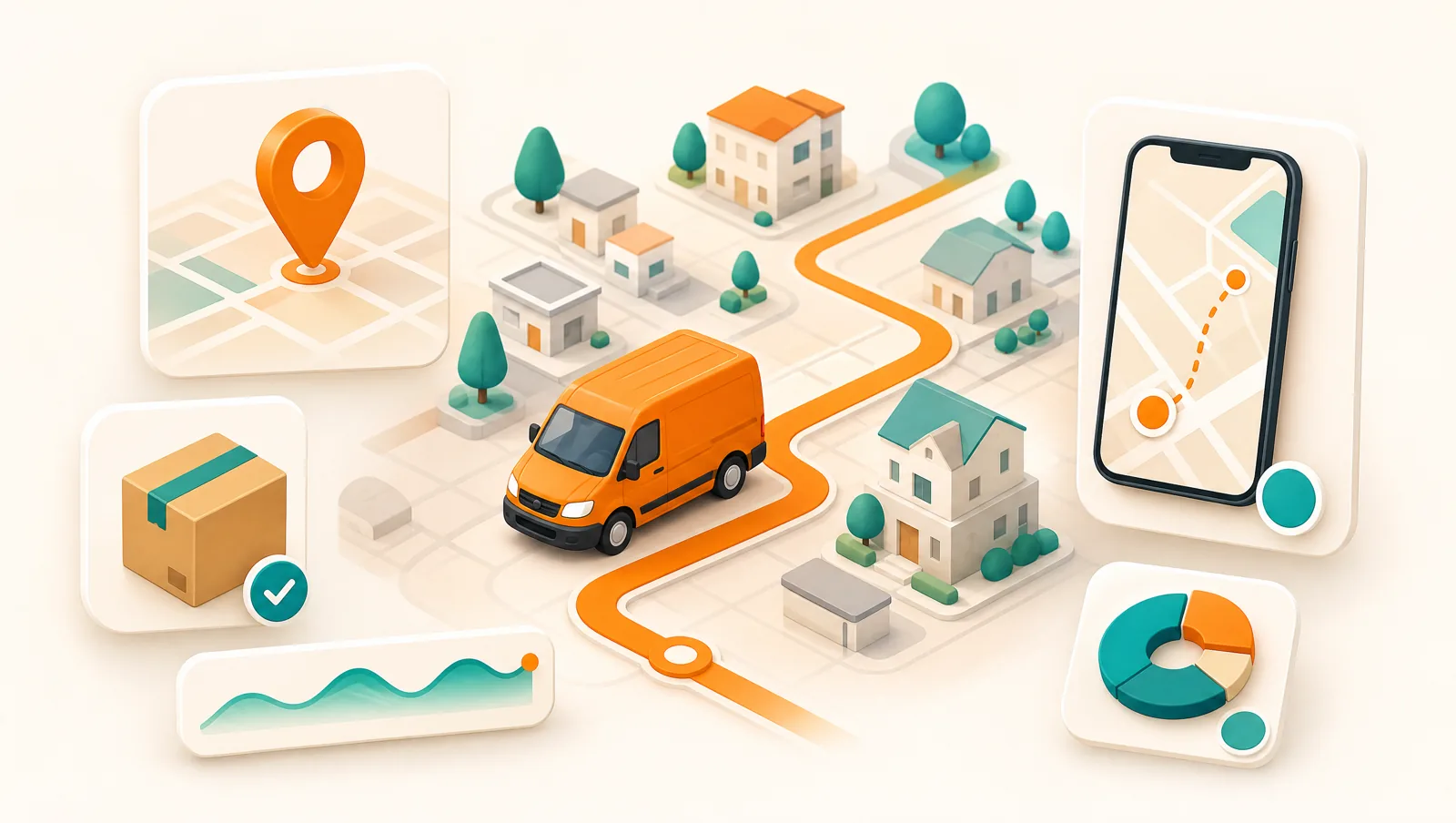
| Capability | Routella | EasyRoutes |
|---|---|---|
| Primary focus | All-in-one delivery operations | Route planning (Shopify-focused) |
| Platforms | 32 platforms + Custom API + manual entry | Shopify-focused |
| Multi-stop route optimization | Yes | Yes |
| Edit the route by hand on the map | Drag & reorder stops | See their listing |
| Live traffic & time windows | Smart Routing add-on ($5/mo) | See their listing |
| Auto-dispatch to drivers | Yes | See their listing |
| Driver app (offline, turn-by-turn) | Yes — no install, opens from a link | See their listing |
| Proof of delivery (signature / photo / barcode) | Yes | See their listing |
| Live customer tracking + ETA | Yes — 195 languages, RTL | See their listing |
| WhatsApp / SMS / email notifications | Yes — auto-translated | See their listing |
| Cash on delivery (COD) wallet | Yes | See their listing |
| Free plan | Yes — $0, no credit card | See their listing |
| Paid pricing | Flat $29 / $79 per month | See their listing |
What does each tool actually do?
EasyRoutes is known primarily for route planning inside the Shopify ecosystem: it turns your Shopify orders into optimized driving routes and helps you get those routes to drivers. That tight Shopify focus is a genuine strength if Shopify is the only place your orders live.
Routella covers more of the operation in one place. Alongside multi-stop route optimization, it includes a mobile driver app with turn-by-turn navigation that keeps working offline, proof of delivery by signature, photo, or barcode, a live tracking page with real-time ETA in 195 languages, and automated customer notifications. It also handles cash on delivery collection and settlement, which matters in markets where COD is common.
The practical difference shows up in how many tools you run. With a route-only app you still need a separate way to message customers, a separate way to collect signatures or photos, and a separate tracking experience. An all-in-one platform folds those into the same dispatch board, which means fewer logins, one source of truth for each order, and far less copying data between systems. That consolidation is usually the real reason a growing operation switches.
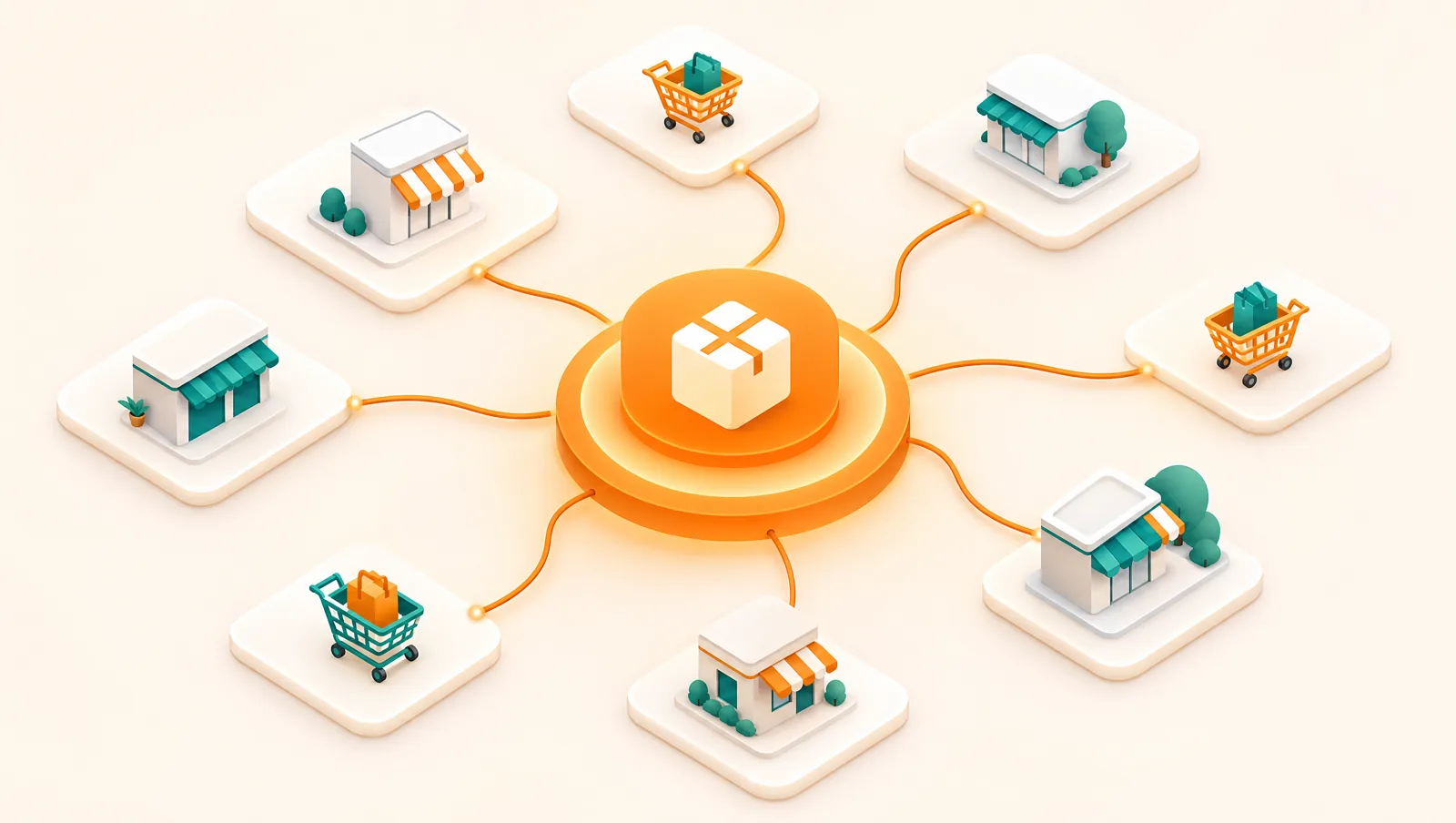
Which platforms does each one connect to?
This is often the deciding factor. EasyRoutes is built around Shopify, so if every order you deliver originates in Shopify, that single-platform focus is clean and simple.
Routella connects to 32 platforms, including Shopify, WooCommerce, Wix, BigCommerce, Magento, Squarespace, Ecwid, PrestaShop, Salesforce, Monday.com, Zoho CRM, SAP, Priority ERP, Square, Salla, and Zid, plus a Custom API and plain manual entry. Orders import automatically and fulfillment status writes back to the source platform. If you sell on more than one channel, run a Shopify store next to a WooCommerce site, or pull delivery jobs out of a CRM or ERP, that breadth is the practical reason to choose Routella.
How do the routing features compare?
Both tools optimize multi-stop routes, which is the baseline expectation for any delivery app. The questions worth asking are about control and accuracy.
- Can a dispatcher edit the route by hand on the map after optimizing? Routella lets you drag and reorder stops directly, which matters when local knowledge beats the algorithm.
- Does it account for live traffic and delivery time windows? Routella offers Smart Routing as an add-on for a flat $5/month (250 stops included on Growth, 1,000 on Pro), using the Google Routes API for traffic-aware sequencing and time-window respect.
- Does it support auto-dispatch so routes assign to drivers automatically? Routella includes auto-dispatch for hands-off assignment.
For a deeper look at how to evaluate routing engines in general, see our guide to multi-stop route optimization.
What happens after the route is planned?
A planned route is only half the job. The other half is the driver actually delivering and the customer knowing what is happening. This is where an all-in-one platform pulls ahead of a route-only tool.
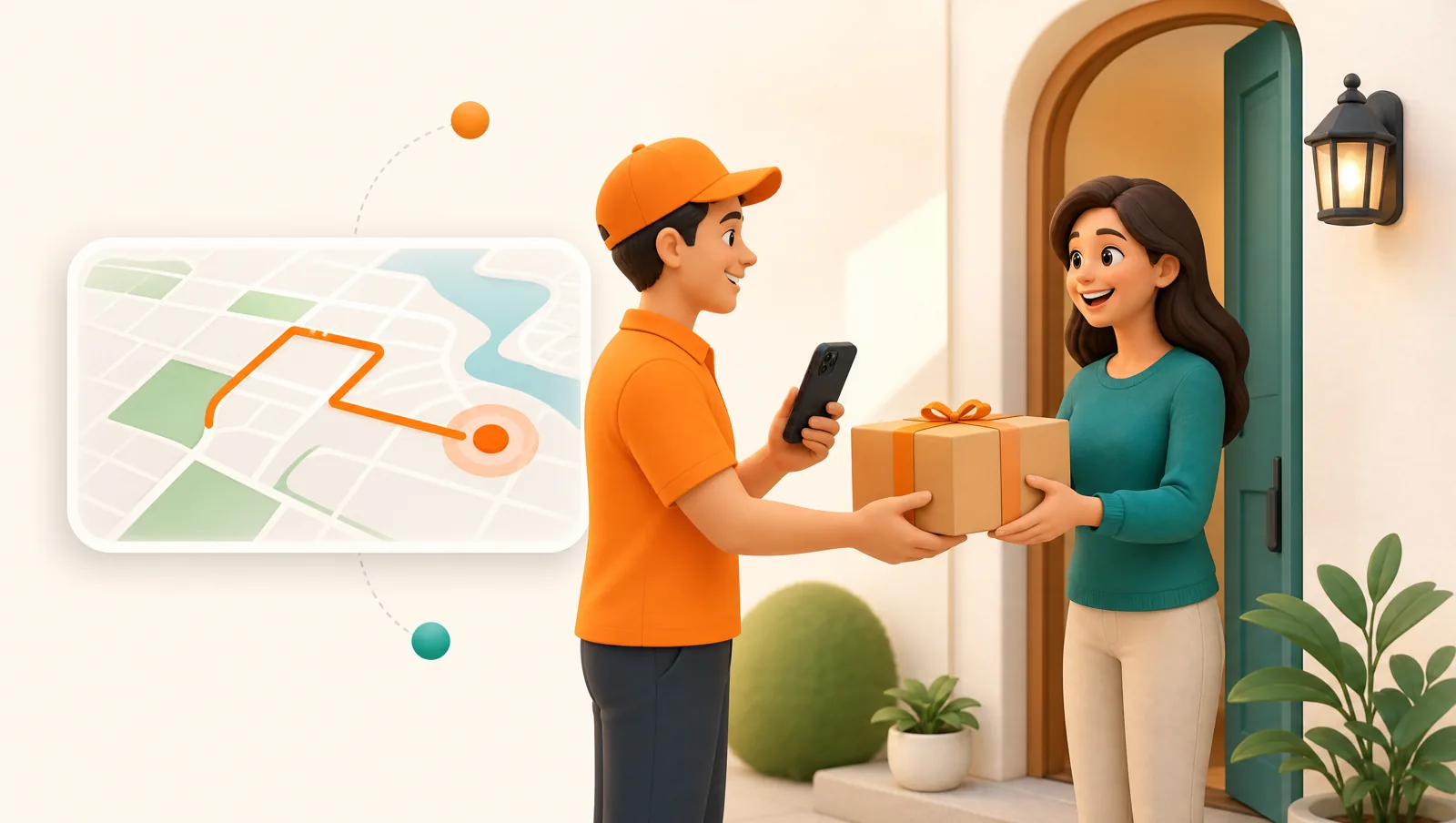
With Routella, the driver opens the route on their phone, navigates stop to stop, and captures proof at each drop. The customer gets an automatic on-the-way message and a live tracking link with a real-time ETA, which is the single most effective way to reduce where-is-my-order tickets. If your current route tool stops at handing the driver a list, you are still doing proof of delivery and customer updates by hand.
What about driver experience and languages?
The people who feel the software most are your drivers, and a tool they dislike quietly slows down every route. With Routella the driver opens their assigned route on a phone, follows turn-by-turn navigation that keeps working when signal drops, and taps to capture proof at each stop, so there is no paper list and no separate navigation app to fight with. The customer-facing tracking page renders in 195 languages with right-to-left support for Hebrew, Arabic, Persian, and Urdu, which matters if you deliver to a multilingual city or operate across borders. When you compare any two delivery apps, walk one real route as the driver, not just the dispatcher, because that is where adoption succeeds or fails.
It is also worth thinking about cost per delivery rather than monthly price alone. A tool that fits one extra stop into each route and trims drive time pays for itself fast; our guide to delivery cost per drop shows how to do that math for your own routes.
How does pricing work?
We will not quote EasyRoutes pricing here because app pricing changes and we want this comparison to stay accurate. Check their current listing directly. What we can be precise about is Routella.
- Free at $0: 1 driver, 50 orders per month, 5 rounds per month, no credit card required.
- Growth at $29 per month: 5 drivers and 1,000 orders per month.
- Pro at $79 per month: unlimited drivers and orders, with WhatsApp messaging included.
Paid plans offer a 14-day trial for eligible new customers (card required), and the free plan lets you run real deliveries before paying anything. See the full breakdown on the pricing page.
So which should you choose?
Choose based on scope, not hype. If you run a single Shopify store, want a focused route planner, and already handle messaging and proof of delivery elsewhere, EasyRoutes is a reasonable, well-known choice. If you sell across multiple platforms, want routing plus a driver app, proof of delivery, live tracking, and customer notifications in one system, and you would rather not stitch three tools together, Routella is the stronger fit. The honest summary: EasyRoutes is a route planner for Shopify; Routella is a delivery operations platform for businesses with their own drivers, on any platform.
The easiest way to decide is to try it on a real route. Start on the free plan, import a day of orders, and deliver them with the driver app and tracking turned on. You will know within one route whether the all-in-one workflow is worth it for your operation. If EasyRoutes is not the only tool on your shortlist, our guides to choosing a Circuit route planner alternative and an Onfleet alternative run the same test against those tools.
Frequently asked questions
Is Routella a good EasyRoutes alternative?
Yes, especially if you need more than Shopify route planning. Routella adds a driver app, proof of delivery, live customer tracking, and automated WhatsApp, SMS, and email messages, and it connects to 32 platforms rather than only Shopify. If your orders all live in Shopify and you only need route planning, EasyRoutes can also serve you well.
Does Routella work outside of Shopify?
Yes. Routella connects to 32 platforms including Shopify, WooCommerce, Wix, BigCommerce, Magento, Squarespace, Ecwid, PrestaShop, Salesforce, Monday.com, Zoho CRM, SAP, and Priority ERP, plus a Custom API and manual order entry. EasyRoutes is focused on Shopify, so multi-channel sellers usually prefer Routella.
Do either of these apps provide drivers?
No. Both Routella and EasyRoutes are built for businesses that deliver with their own drivers. Neither is a courier marketplace and neither supplies drivers. They help you plan, dispatch, and track deliveries done by your own team.
Run your own deliveries with Routella
Route optimization, a driver app, proof of delivery, and live customer tracking — in one platform. Free plan, no credit card.